








Skilled Worker Visa
The Skilled Worker Visa allows qualified and experienced individuals to apply for permanent residency in Australia. Every year, Australia welcomes many migrants, a significant portion of whom are skilled professionals. This visa is one of the most popular pathways to migrate to Australia, offering excellent job and lifestyle opportunities for eligible applicants. If you have strong expertise in a particular profession and are looking to live and work in a country with high income and great opportunities, the Australian Skilled Worker Visa may be the right choice. Below, we provide a complete guide to this visa.
Read More (Skilled Worker Visa)
- What is the Skilled Worker Visa?
- Benefits of the Skilled Worker Visa
- Requirements for the Skilled Worker Visa
- Consultation for Skilled Worker Visa
- Types of Skilled Worker Visas
- Required Documents for the Skilled Worker Visa
- Steps for Obtaining the Visa with Azzy Immigration
- Costs of the Skilled Worker Visa
What is the Skilled Worker Visa?
One of the key policies of the Australian Government and its states is attracting migrants through skilled workers and professionals. The Skilled Worker Visa is a specialised work visa designed for individuals with specific skills and expertise. This visa allows applicants to work in Australia in their profession with fair compensation.
To obtain this visa, individuals must demonstrate specific skills and experience in certain industries or professions and must also hold the minimum required education level. An important advantage of this visa is that applicants can bring their families to Australia and access the country’s social services.
Benefits of the Skilled Worker Visa
Obtaining a Skilled Worker Visa provides significant advantages:
- Permanent Residency
With this visa, you and your family can live, work, and study permanently in Australia. - Employment Opportunities in a Wide Range of Occupations
Australia seeks skilled workers across many fields. The Skilled Occupations List (SOL) is regularly updated, allowing you to confirm if your profession is eligible for a visa. - Access to Social Services
Holders of this visa benefit from public services such as healthcare, free education, and the national pension system. - Study Opportunities
You can enrol in educational programs in Australia to further improve your skills. - High Quality of Life
With favourable climate, cultural diversity, modern infrastructure, high security, and excellent work and study opportunities, Australia is considered one of the best countries to live in.
Requirements for the Skilled Worker Visa
To apply for the Australian Skilled Worker Visa, the following conditions must be met:
- Age: Applicants must be between 18 and 45 years old.
- Skills: Your occupation must be on Australia’s Skilled Occupations List.
- Education: You must hold a qualification related to your occupation, recognised by an accredited institution in or outside Australia.
- English Language Proficiency: You must provide a valid English test result (IELTS, PTE, or equivalent) with a minimum overall equivalent to IELTS6.
- Points Test: You must achieve at least 65 points based on factors such as age, education, work experience, and English ability.
Consultation for the Skilled Worker Visa
It is highly recommended to seek professional consultation when applying for a Skilled Worker Visa. Factors such as points calculation can be complex at the beginning.
The experienced consultants at Azzy Immigration will support you from start to finish, ensuring a smooth visa process and a successful move to Australia. For more information, you can contact our team via WhatsApp or by calling +9821 8856 0604.
Types of Skilled Worker Visas
Several subclasses of Skilled Worker Visas are available:
- Subclass 189 – Skilled Independent Permanent Visa
- Subclass 190 – Skilled Nominated Permanent Visa (State/Territory Sponsored)
- Subclass 491 – Skilled Work Regional (Provisional) Visa
Required Documents for the Skilled Worker Visa
When applying, you must provide the following documents:
- Personal documents (ID card, valid passport, national card, military service certificate or exemption for males)
- Work experience documents (employment contracts, payslips, reference letters)
- English language test results
- Curriculum Vitae (CV/Resume)
- Police clearance certificate
- Form of agent/representative appointment (if applicable)
- Proof of payment of relevant fees
Steps to Obtain a Skilled (Skill) Visa for Australia
- Consultation and Eligibility Assessment
Our migration lawyers and consultants at Azzy Immigration carefully review your individual circumstances. Based on your profile, we provide accurate and realistic advice and introduce the most suitable migration pathway for you.
- Collecting and Assessing Documents
We support you throughout the entire migration journey. Once the right visa pathway is selected, we work with you to collect all the required documents that must be submitted to the Australian Government.
- Submitting an EOI
The Expression of Interest (EOI) is the method used to show your intention to apply for a visa to migrate to Australia. It plays a crucial role in the skilled migration process. Don’t worry—we will assist you in preparing and submitting your EOI form.
- Receiving an Invitation
Based on your points and eligibility, the Australian Government issues an invitation to apply for a skilled visa. At Azzy Immigration, we anticipate all scenarios and leave no opportunity unused to help you secure your invitation.
- Lodging the Visa Application
After receiving the invitation, you must submit your visa application online. If you find the online lodgement process difficult, rest assured—our consultants and migration lawyers will complete this stage for you.
- Visa Grant
Congratulations! Your visa has been granted, and you are ready to migrate to Australia. At Azzy Immigration, we consider you part of our family and support you every step of the way—from the very first consultation until your successful settlement in Australia.
Costs of the Skilled Worker Visa
The government application fees are as follows:
- Main applicant: AUD 4,640
- Spouse or dependent over 18: AUD 2,320
- Child under 18: AUD 1,160
Conclusion
The Skilled Worker Visa is one of the most popular visa categories for migration to Australia. In this section, we have covered its benefits, costs, types, and requirements.
At Azzy Immigration, we help you navigate all stages of the Skilled Worker Visa application smoothly and connect you with expert migration lawyers and consultants.







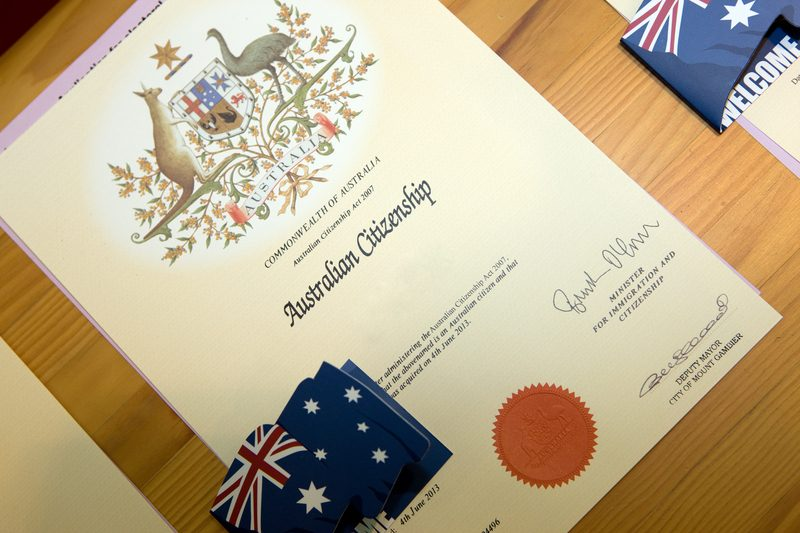
Employer-Sponsored Visa
The Employer-Sponsored Visa in Australia allows you to migrate through your employment and demonstrates that you hold the required skills and credibility to work in a vacant position in Australia.
The country’s strong welfare system, high salaries, and demand for skilled labour have significantly increased the rate of work migration to Australia. To apply for an Employer-Sponsored Visa, certain conditions must be met. In this section, we will explain how the Job Offer Visa (Employer-Sponsored Visa) works in Australia.
Read More (Employer-Sponsored Visa)
How does migration through the Employer-Sponsored Visa in Australia work?
Migration via employer sponsorship is one of the most common forms of migration for professionals moving to Australia. The favourable opportunities that work visas provide, combined with relatively straightforward eligibility requirements, make this type of visa one of the most popular migration pathways worldwide.
Employer-Sponsored Visas are available under several subclasses. Below we outline two of the most common options:
Subclass 186 Visa
The Subclass 186 is a permanent residency visa. It allows the applicant and their family members to live indefinitely in Australia, access healthcare and education services, and eventually apply for Australian citizenship.
To be eligible for this visa, an Australian employer must offer you a job and sponsor you in the migration process. The sponsoring company must be legally registered in Australia and have sufficient financial capacity.
Applicant requirements include:
- Age between 18 and 45 years
- Positive skills and qualifications assessment from the relevant assessing authority
- Minimum English proficiency equivalent to IELTS 6 (or other approved tests) in each band
- At least three years of relevant, verified work experience in the nominated occupation
- Clean criminal record (police clearance certificate)
- Successful completion of required medical examinations
Subclass 482 Visa
The Subclass 482 is a temporary work visa valid for 2 to 4 years, which can potentially lead to permanent residency and Australian citizenship. Family members can accompany the main applicant under this visa. To qualify, you must have a valid job offer from an Australian employer for at least two years.
The sponsoring employer must be legally recognised in Australia and demonstrate to the Department of Home Affairs that they could not find a suitable Australian worker, thereby requiring the sponsorship of a foreign worker.
Applicant requirements include:
- English proficiency equivalent to IELTS 5 overall, with no band less than 4.5 (or equivalent approved tests)
- At least two years of relevant work experience
- Skills/qualifications assessment may be required for certain occupations
- Clean criminal record
What is DAMA in Australia?
DAMA (Designated Area Migration Agreement) is a special migration agreement between the Australian Government and specific regional areas facing workforce shortages. The purpose of DAMA is to attract foreign workers to regions with a demonstrated lack of local labour. Through this agreement, employers in those areas can sponsor overseas workers under more flexible conditions than standard work visa programs.
Key features of DAMA include:
- Flexibility in requirements: Employers may sponsor workers with lower English levels, less work experience, or higher age limits compared to standard visas.
- Longer visa validity: DAMA visas can allow longer work periods in Australia.
- Pathway to permanent residency: Many DAMA arrangements provide a route to permanent residency.
Visa types connected with DAMA:
- Subclass 482 (Temporary Skill Shortage – TSS)
- Subclass 494 (Skilled Employer Sponsored Regional Visa)
Applicants may later become eligible for permanent residency after working in DAMA regions.
General DAMA Conditions
While conditions differ depending on the region, some common elements include:
- Approved Employers: Only designated employers in DAMA regions can sponsor foreign workers. Employers must prove they were unable to recruit local workers.
- Occupation Lists: Each DAMA region publishes a list of occupations in demand.
- Temporary and Permanent Options: DAMA workers typically start on a temporary visa (e.g., 482 or 494) and may apply for permanent residency after several years.
- Concessions: These may include lower English requirements, reduced work experience or qualification requirements, and higher age limits.
- Employee Obligations: Sponsored employees must hold relevant skills, accept a valid job offer, and commit to living and working in the DAMA region for the duration of their contract.
Application Steps under DAMA
- Employer approval by the DAMA region authority
- Employer request to sponsor a foreign worker (demonstrating shortage of local workers)
- Employee lodges a visa application through the DAMA pathway
In many regions, after 3–4 years of work, the employee may apply for permanent residency through options such as Subclass 186 or other employer-sponsored programs.
Conclusion
In this section, we introduced two of the most common Employer-Sponsored Visas in Australia and explained the Job Offer Visa process. Each visa subclass has its own requirements, and the right option depends on your personal circumstances.
At Azzy Immigration, we assist you in finding the most suitable pathway to obtain your Australian visa and connect you with expert migration lawyers and consultants.




National Innovation Visa (NIV)
The National Innovation Visa (NIV) is a permanent visa for exceptionally talented individuals who can help drive innovation, create jobs and contribute to Australia’s long-term growth. It has replaced the former Global Talent visa program and is aimed at people who are already leaders – or emerging leaders – in their field.
This pathway is designed for people with an internationally recognised record of exceptional and outstanding achievement, such as:
- Global researchers and academics
- Entrepreneurs and founders
- Innovative investors
- Athletes
- Artists and other creative professionals
If you are selected, the NIV offers you and your eligible family members a direct pathway to Australian permanent residence.
Read More (National Innovation Visa)
Who is the NIV for?
You may consider the National Innovation Visa if:
- You have a strong, internationally recognised track record in your profession, research area, business, sport or the arts
- Your work is innovative, influential and likely to generate ongoing economic or social benefits for Australia
- You are able to show that your skills, networks or projects can help grow key sectors of the Australian economy, for example through new technology, high-value jobs or cutting-edge research
There is no formal occupation list for the NIV. Instead, the focus is on your calibre, achievements and potential impact.
Key features of the National Innovation Visa
- Permanent residence from the start – successful applicants receive a permanent visa, with a pathway to citizenship if other requirements are met
- Family unit included – eligible family members can be included in the same application
- Flexibility in work and study – you can live, work and study anywhere in Australia
- No strict age cap – applicants of any age may be considered, although those under 18 or over 55 must show an exceptional benefit to the Australian community
- English language requirement – you need to demonstrate at least functional English or pay a second instalment of the visa application charge for family members who do not meet this requirement
How the NIV application process works
The National Innovation Visa is not a standard “apply-anytime” visa. It is invitation-only and involves several steps:
- Expression of Interest (EOI)
You first lodge an online Expression of Interest to the Department of Home Affairs outlining your achievements, proposed contribution to Australia and your background. - Nomination
You must be nominated by an eligible Australian individual or organisation (for example, a State or Territory government, an Australian academic institution, or a recognised industry expert) who can confirm your standing and the value of your contribution to Australia. - Invitation to Apply
If the Department is satisfied that you meet the priorities and threshold, you may receive an invitation to apply for the NIV. - Visa application
After receiving an invitation, you can lodge the visa application with supporting evidence about your achievements, English, health and character and your family members.
How Azzy Immigration can help
The NIV is a highly specialised and competitive program. At Azzy Immigration, we can assist you by:
- Assessing whether the National Innovation Visa is the right pathway for you compared with other skilled or business visas
- Reviewing your achievements and profile against current Departmental priorities and policy guidance
- Advising on suitable nominators and how to present your contribution to Australia in a clear and compelling way
- Preparing and lodging your Expression of Interest and, if invited, your visa application with a comprehensive supporting evidence bundle
- Coordinating with your nominator and other stakeholders (employers, universities, investors, collaborators) to ensure consistent messaging
If you believe you may qualify for the National Innovation Visa, contact us to arrange a consultation. We can review your CV, portfolio and projects and advise you on the best strategy for your Australian immigration goals.



Partner and Marriage Visa
The Australian Partner Visa is for individuals whose spouse or fiancé is an Australian citizen or permanent resident and who wish to migrate to Australia. When considering migration through marriage, applicants may face various challenges and questions. For example:
- Can you bring your current or future spouse with you to Australia once the visa is granted?
- What benefits are available under the Partner Visa?
This section explains the nature of the Partner/Marriage Visa, its types, conditions, and required documents. For professional guidance, you can contact Azzy Immigration and receive support from our experienced migration lawyers.
Read More (Partner and Marriage Visa)
Types of Partner and Marriage Visas
The Marriage Visa is suitable for individuals whose spouse is an Australian citizen or permanent resident. This visa allows you to migrate and live in Australia as part of a family unit with your partner.
Holders of this visa enjoy many benefits similar to Australian citizens, including full-time work rights and access to social services. The visa also serves as a pathway to permanent residency.
Australia’s migration system offers different subclasses for fiancés and spouses. The main types are:
Prospective Marriage Visa (Subclass 300)
This visa allows applicants to enter Australia to marry their permanent resident or citizen sponsor. After arriving in Australia, you have up to 9 months to marry your partner. Following the marriage, you can apply for a Partner Visa (subclasses 820 and 801).
With the Subclass 300 visa, you can live temporarily in Australia, work, and study. The average processing time is 14 to 18 months.
If the marriage does not proceed, the applicant cannot continue their stay in Australia under this visa. Additionally, applicants must be outside Australia when applying for Subclass 300.
Partner Visa (Onshore – Subclasses 820 and 801)
If you entered Australia on Subclass 300 or another visa and intend to marry an Australian citizen or permanent resident, you can apply for a Partner Visa.
- Subclass 820 grants temporary residency.
- After at least two years, and upon reassessment of your relationship, you may qualify for Subclass 801 (permanent residency).
In exceptional cases, both visas may be granted simultaneously. This is possible if:
- You and your partner have lived together for at least two years and have a child together, or
- You have been living together for three years or more.
Partner Visa (Offshore – Subclasses 309 and 100)
If you married an Australian citizen or permanent resident while living outside Australia, you can apply for Subclass 309 (temporary visa) first. This allows you to live in Australia temporarily.
After meeting the eligibility period, you may apply for Subclass 100 (permanent visa).
To qualify for Subclass 100:
- You and your partner must prove at least two years of genuine relationship and cohabitation.
- The relationship must be exclusive and ongoing.
Processing usually takes 19 to 39 months.
Required Documents for the Partner/Marriage Visa
Submitting accurate and complete documentation is essential. Incomplete or inconsistent documents may lead to rejection. A standard checklist includes:
- Valid passport
- Identity documents (e.g., birth certificate, national ID)
- Police clearance certificate (proof of no criminal record)
- Character assessment results
- Health and medical examination reports
- Proof of genuine relationship (marriage certificate, joint assets, shared financial documents)
- Evidence of financial capacity (lease agreements, mortgage, joint bank accounts)
- Household evidence (shared responsibilities and living arrangements)
- Social evidence (joint invitations, travel bookings, photos)
- Dependent children’s documents (if applicable)
Costs and Processing Time
- Processing time: Depending on subclass, usually 12 to 24 months.
- Visa application charge: Approximately AUD 7,850.
- Additional costs: medical examinations, police checks, and biometrics (if required).
Conclusion
In this guide, we reviewed the main aspects of the Australian Partner and Marriage Visas, including types, requirements, documents, costs, and processing times. However, keep in mind that Australian migration laws are complex and each case may differ.
If you are planning to migrate through marriage, it is crucial to understand the requirements of each subclass and seek professional advice.
At Azzy Immigration, we help you smoothly navigate all stages of the Partner Visa application and connect you with the best migration lawyers and consultants.

Parent Visa
The Australian Parent Visa allows parents to join their children who are permanent residents or citizens of Australia. Holders of this visa enjoy access to social benefits, healthcare, and other services similar to Australian citizens.
Many permanent residents of Australia wish to bring their parents to live with them, and to make this possible, the Australian Government has introduced several visa subclasses. In this section, we will review the conditions, requirements, and different types of Parent Visas.
Read More (Parent Visa)
What is the Parent Visa?
The Parent Visa, also known as the Sponsored Parent Visa, is part of Australia’s family support program. It provides parents of Australian permanent residents or citizens the right to live in Australia under specific conditions.
There are several visa options available, each with different benefits, costs, and processing times.
Parent Visa Subclass 103
- A permanent residency visa.
- Considered one of the most affordable parent visas.
- Processing times are long due to high demand.
- Grants parents permanent residency, work and study rights, access to Medicare, and eligibility for citizenship (if criteria are met).
- Valid for multiple entries for 5 years.
Cost: AUD 4,990 (primary applicant).
Condition: Applicants must not have applied for Subclass 870.
Parent Visa Subclass 143 (Contributory Parent Visa – Permanent)
- Grants permanent residency.
- Sponsor (child) must commit to financially supporting parents for 10 years.
- Applicants may apply inside or outside Australia (rules may change in future).
Cost: From AUD 47,825 (additional fees apply for dependants).
Parent Visa Subclass 173 (Contributory Parent Visa – Temporary)
- A temporary visa allowing parents to live in Australia for 2 years.
- Available to parents of Australian permanent residents or eligible New Zealand citizens.
- Often used as a pathway to Subclass 143.
Parent Visa Subclass 870 (Sponsored Parent (Temporary))
- A relatively new visa.
- Allows parents to temporarily stay in Australia without meeting the “Balance of Family Test.”
- Requires private health insurance coverage during the stay.
Cost: AUD 5,735 (3 years), AUD 11,470 (5 years).
Parent Visa Subclass 864 (Contributory Aged Parent Visa – Permanent)
- Permanent residency visa.
- Application must be lodged while the applicant is inside Australia.
- Processing time: 18–36 months.
Cost: Approx. AUD 48,000.
Additional requirement: AUD 10,000 bond (held for 10 years to cover potential healthcare expenses).
Sponsor obligation: Child must commit to full financial support for 10 years.
Parent Visa Subclass 884 (Contributory Aged Parent Visa – Temporary)
- A two-year temporary visa for parents already in Australia.
- Provides a pathway to Subclass 864 (permanent visa).
Cost: Approx. AUD 32,000 (AUD 4,000 initially, balance payable after invitation).
Sponsor obligation: Child must commit to supporting parents for two years.
Consultation for the Parent Visa
Applying for a Parent Visa involves complex requirements and significant financial commitments. Each visa subclass has different conditions, and eligibility depends on both the parents’ and the sponsoring child’s circumstances.
The expert consultants at Azzy Immigration will assist you at every stage, from eligibility checks to visa lodgement and approval. For detailed advice, you can contact our experts via WhatsApp or call +9821 8856 0604.
Required Documents
A standard checklist includes:
- Valid passports of both parents
- National ID cards and birth certificates
- Marriage certificate (if applicable)
- Child’s birth certificate and proof of custody for dependants under 18
- Parent visa application form
- Sponsorship application form (completed by the child)
- Proof of sponsor’s Australian residency/citizenship (e.g., citizenship certificate, birth certificate)
- Proof of financial capacity
- Police clearance certificates
- Health and medical examination reports
- Travel health insurance (for temporary visas)
- Proof of genuine family relationship (household evidence, financial support, etc.)
- Receipt of application fee payment
Conclusion
The Parent Visa program provides different options for parents to reunite with their children in Australia. Each visa subclass has specific costs, conditions, and processing times. The process can be complex, and any incomplete documentation may cause delays or refusal.
At Azzy Immigration, we guide you through the entire Parent Visa application process, ensuring you meet all requirements and helping you achieve family reunification in Australia.










Tourist Visa
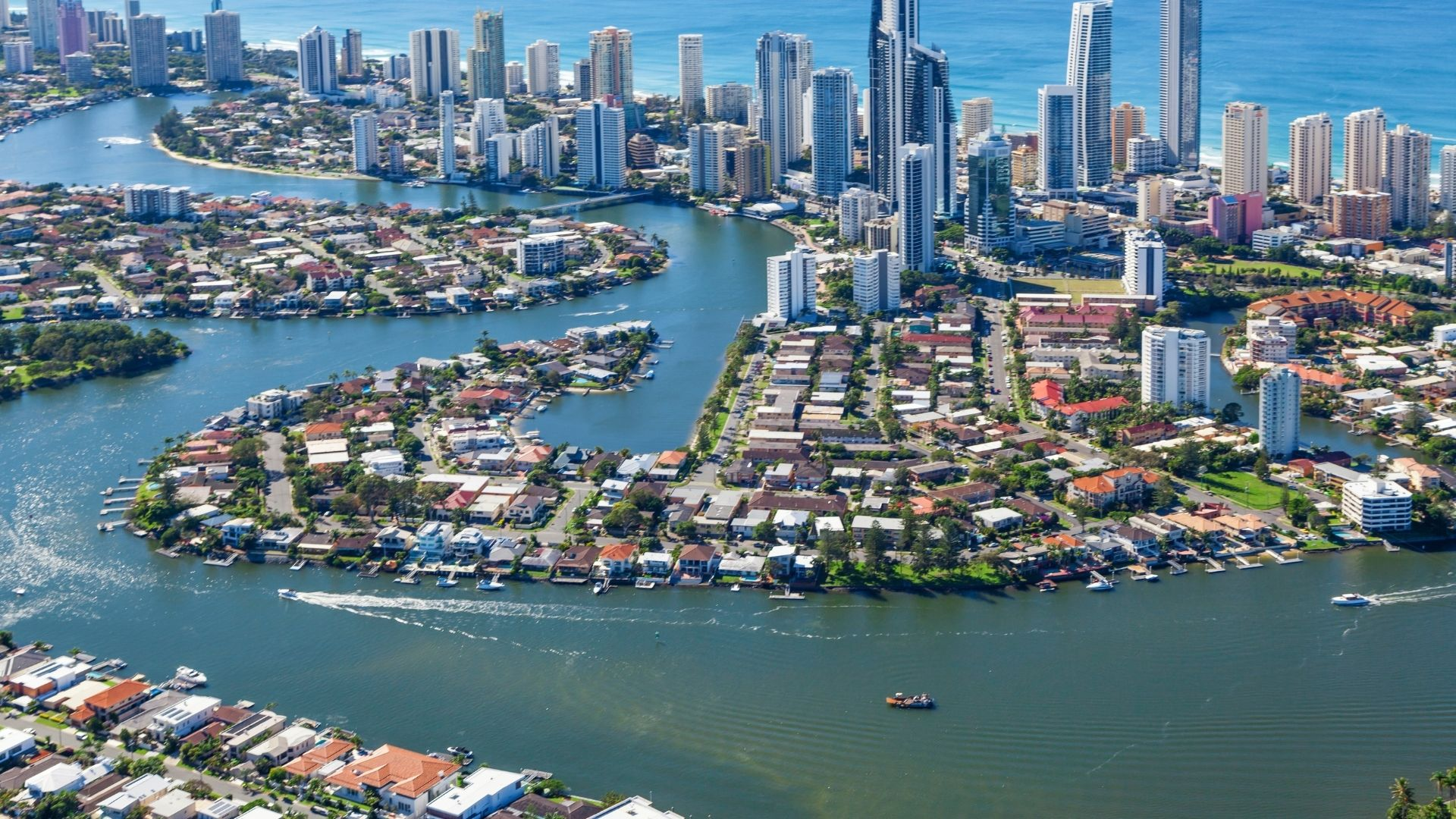
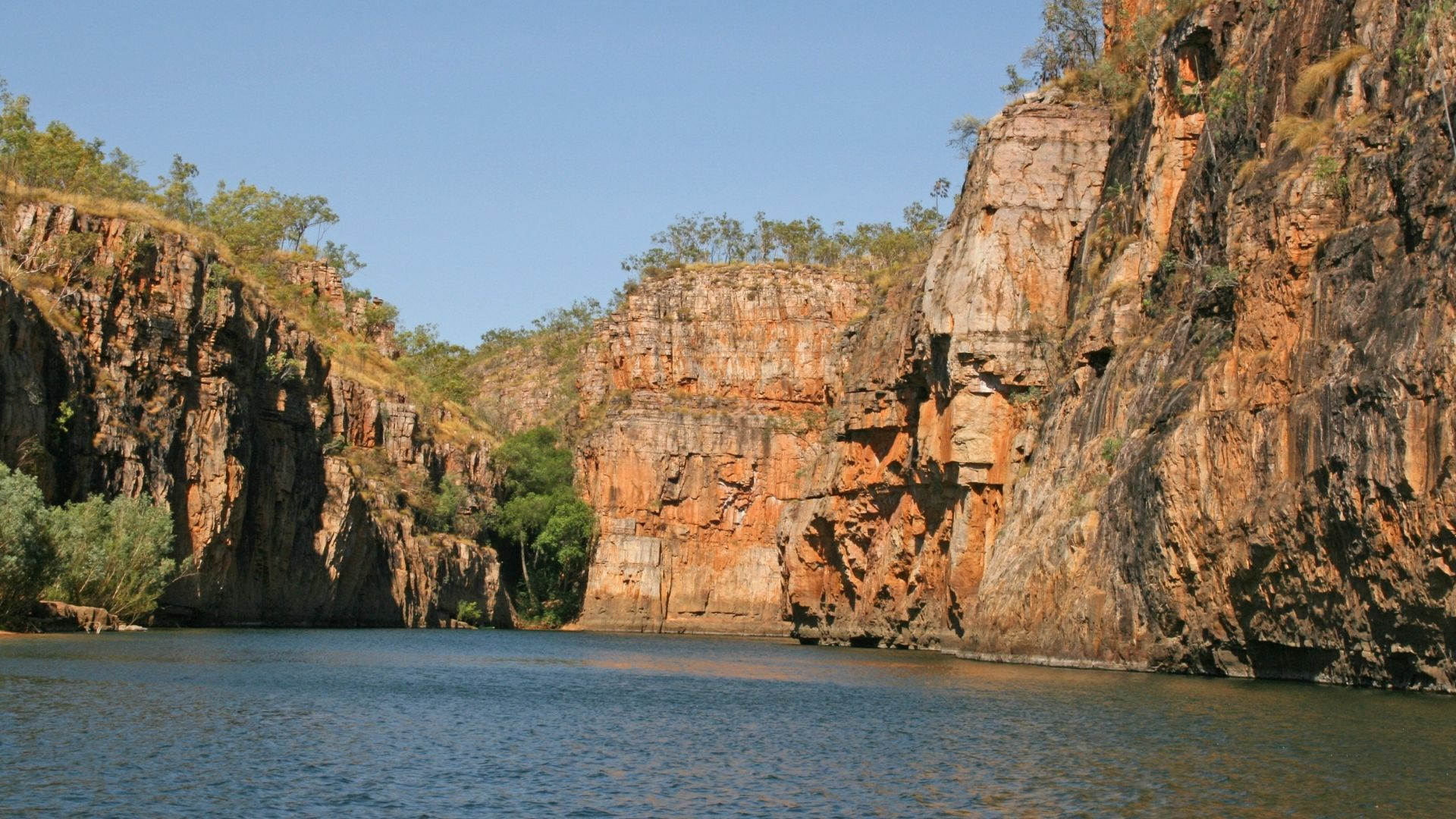
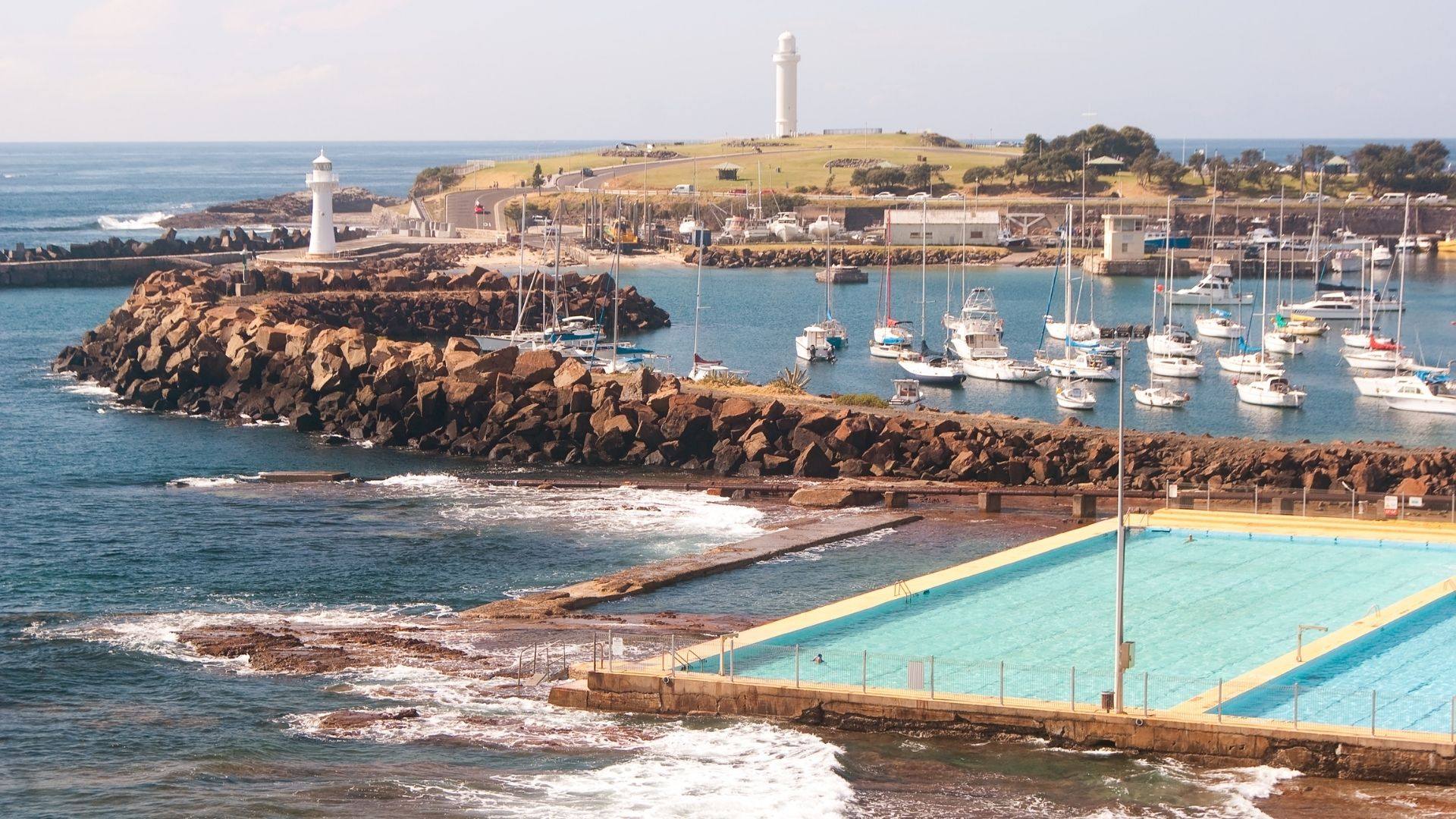
Australia’s tourist visa attracts a large number of applicants due to the country’s unique and diverse attractions. Australia is one of the world’s most remarkable destinations, offering stunning natural beauty, vibrant local culture, and a wide range of tourism opportunities that captivate every visitor.
Each year, millions of travelers visit Australia to explore its breathtaking landscapes, experience its tourist attractions, or reunite with family and friends. According to official statistics, on average, more than four million tourists choose Australia as their travel destination annually.
In this article, we will review the key details regarding the cost, requirements, and guaranteed process of obtaining an Australian tourist visa.
Read More (Tourist Visa)
Types of Australian Tourist Visas
Without a doubt, one of the most in-demand visas for Australia is the tourist visa, issued for short-term travel purposes such as tourism and visiting relatives or friends. Australia offers several types of tourist visas for foreign travelers who wish to enter the country as tourists. The most common and widely used Australian tourist visas include:
- Subclass 600 – Visitor Visa
- This visa is suitable for individuals who wish to travel to Australia for tourism or to visit family and friends. It allows the holder to stay in Australia for a period of 3 to 12 months.
- Subclass 601 – Electronic Travel Authority (ETA) Visa
- This visa is designed for individuals who intend to travel to Australia for business or tourism purposes. The Australian Tourist Visa (Subclass 601) is issued electronically and is typically used for short-term visits.
- Subclass 651 – eVisitor Visa
- This visa is also suitable for tourism and short-term activities and can be obtained online. Eligible European nationals can use this visa to travel to Australia.
- Subclass 417 – Working Holiday Visa
- This visa is designed for individuals under the age of 31 who wish to combine travel and work. It allows them to stay in Australia for up to 12 months and work during their stay.
- Subclass 462 – Work and Holiday Visa
- This visa is also offered to individuals under the age of 31 who wish to gain both work and travel experience in Australia. It allows them to stay in the country for up to 12 months and participate in various types of work during their stay.
- Subclass 771 – Transit Visa
- This visa is suitable for individuals who intend to transit through Australia as part of their international journey.
Required Documents for an Australian Tourist Visa
One of the most important factors in obtaining an Australian Tourist Visa is providing the necessary documents. If your submitted documents demonstrate strong ties to your home country and intent to return, your chances of approval will be much higher.
Required documents include:
- Identification documents: national ID card, birth certificate, and military service card (for men)
- A valid passport with at least 6 months of validity, plus previous passports for travel history review
- Marital status documents
- Employment or educational certificate
- Proof of property ownership (if applicable)
- Two recent passport-size photos (4×3 cm)
- Bank statement showing the last 3 months of transactions and financial proof from reputable Iranian banks
- Round-trip flight booking confirmation
- Proof of accommodation in Australia
Steps to Obtain an Australian Tourist Visa:
Applications for Australian tourist visas are submitted entirely online through the official Australian Government website. Therefore, there is no need for embassy appointments, in-person interviews, or biometric data collection for tourist visa applicants from Iran.
To apply for a visa, follow these steps via the official Australian Government website:
- Visit the official Australian Government website and create an account under the name ImmiAccount.
- Log in to your account, go to My Application Summary → New Application, complete the visa application form, and print a copy.
- Next, click Import Application, enter the required details, attach the necessary documents, and click Confirm.
- After reviewing the attached documents and confirming the information, click Submit Applications to send your application.
- To process your application, go to Manage Payments → Pre-pay Paper Service to pay the visa fee.
- After completing the process, you’ll receive a reference number that allows you to track your application through your ImmiAccount under the VEVO section after approximately 3–4 weeks.
Summary of the Tourist Visa Application Process:
- Choose the visa type – Select the right visa and review eligibility criteria.
- Online registration – Complete the online application forms.
- Prepare documents – Gather your passport, financial proof, and other required papers.
- Pay the visa fee – Submit the visa application fee.
- Wait for approval – Wait for processing by Australian immigration authorities.
- Receive the visa – Obtain your electronic visa or have it added to your passport.
- Travel to Australia – Prepare for your trip and follow visa conditions.
Visa Consultation for Australian Tourist Visa:
To fully understand the requirements and costs of any Australian Visa, it’s best to consult with experienced and registered immigration agent to make sure your Visa Application becomes approved. The expert consultants at Azzy Immigration will assist you every step of the way to make your Australian travel experience smooth and successful.
Cost of an Australian Tourist Visa:
The cost of an Australian Tourist Visa varies depending on the type and date your application is received by the Australian Authorities. If there is a price increase between your submission date and the date your application is processed, you must pay the updated fee.
Visa fees are calculated in Australian dollars (AUD) and must be paid at the time of application. Some types of Australian Tourist Visas may have no application fee.
Final Words
In this article, we discussed the requirements, documents, and costs of obtaining an Australian tourist visa.
If you are planning a leisure trip to Australia, Azzy Immigration is here to help you complete all stages of the tourist visa process smoothly.

